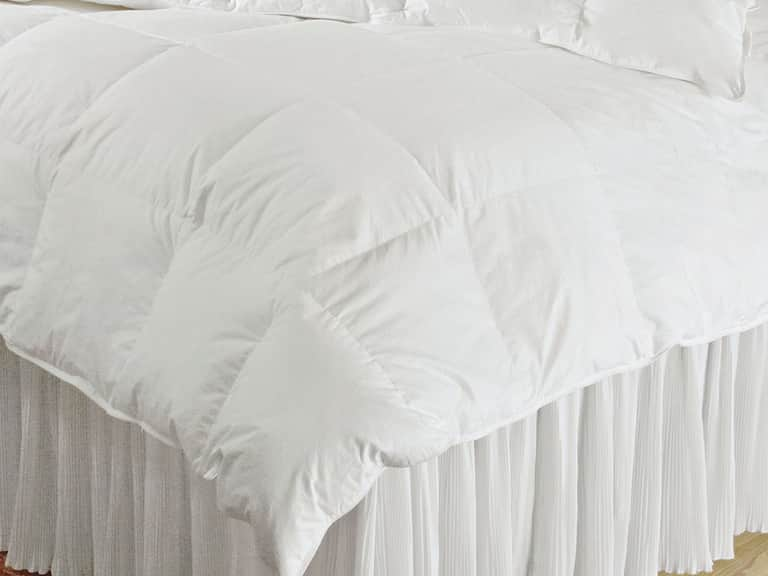
DownTown Company Alpine Down Alternative Comforter

Choosing a Mattress: A City-Dweller's Guide to Sleep-Smart Options

A practical, non-commercial guide tailored for urban living about mattress types, sleep positions, and space-smart setups. Learn how apartment layouts, noise, and light influence mattress choices and how to pick a model that fits your rhythms.

Published September 26, 2026

Keywords: mattress buying guide, urban sleep, mattress types, small-space sleeping, sleep hygiene

Overview — The right mattress for a city apartment is not a one-size-fits-all product. It is a nuanced choice that blends sleep science with the realities of urban living: compact floor plans, high-rise living with variable heat, and the acoustic environment of dense neighborhoods. This article unfolds a practical approach to mattress selection that respects space constraints, sleep rhythms, and credible guidance—without product hype.

Understanding Mattress Types in Urban Context

Urban apartments often demand adaptable sleep solutions—mattress types that balance support, temperature regulation, and footprint. The most common categories are memory foam, latex, and hybrids (a combination of foam layers with innerspring cores). Each type has distinct characteristics that interact with room temperature, humidity, and the sleeper’s position.

  • Memory foam: Known for contouring comfort and motion isolation, memory foam can limit motion transfer, which helps when partners have different schedules. However, some formulations can trap heat. If choosing memory foam in a city apartment, look for models with cooling features such as gel infusions or breathable covers.
  • Latex: Natural latex offers a resilient feel and excellent airflow. It tends to maintain a cooler surface, which can be advantageous in warmer urban months or in apartments without robust cooling. It’s also typically more durable than some foam options.
  • Hybrid: Hybrids blend innerspring support with foam or latex comfort layers. They aim to provide a balanced feel—support for the spine plus contouring comfort. In small spaces, hybrids can offer good edge support and a stable base for compact frames.

Choosing a mattress is not only about the core material. Construction, density, airflow, and cover fabric all influence temperature, pressure relief, and overall sleep feel. When you are sleeping in an urban unit with fluctuating temperatures, you should factor in the room’s climate and the bed setup (frame height, under-bed storage, and the possibility of using a platform or storage bed to maintain a low profile in tight spaces). A non-commercial, informational approach helps you focus on the sleep outcome rather than the sales pitch.

Sleep Positions and Support Nuances

Your sleeping position strongly influences mattress selection. The right combination of support and pressure relief reduces wakefulness and enhances spinal alignment. Here are guidelines tailored to common urban sleepers:

  • Side sleepers: Look for a mattress with targeted shoulder and hip pressure relief. A medium to medium-firm feel with good contouring helps maintain alignment.
  • Back sleepers: A balanced support profile that maintains a neutral spine is key. Medium-firm mattresses often suit this position well, provided they offer stable lumbar support.
  • Tummy sleepers: They typically require a firmer surface to prevent the midsection from sinking excessively, which can strain the neck. A firmer option or a selectively supportive hybrid can help.
  • Combination sleepers: For those who switch positions, a responsive top layer that compresses evenly with movement is beneficial. Look for a mattress with a forgiving transition and good motion isolation for shared spaces.

In cities, you may share a bed with a partner whose sleep rhythm diverges. A mattress with predictable support and a surface that doesn’t sag in the center will minimize disruptions. The emphasis is on a durable core, consistent pressure relief, and a cover that breathes, which aids temperature regulation during warm nights or stuffy apartments.

Space, Layout, and the Micro-Environment

Urban bedrooms often present constraints like narrow rooms, tight corners, or shared walls with neighbors. Mattress choice should harmonize with the room’s layout and other sleep-friendly elements:

  • Bed frame height and under-bed clearance influence mattress depth decisions. In a compact loft, a low-profile platform bed can maximize usable space without compromising support.
  • Edge-to-edge accessibility matters for smaller rooms. A mattress with even edge support helps you optimize your sleeping zone without feeling boxed in by the bed rails.
  • Ventilation is essential. Breathable covers and materials that promote airflow help prevent heat buildup in small spaces, especially in summer and in apartments without robust air circulation.
  • Storage considerations: If you rely on under-bed storage, a thinner profile mattress paired with efficient storage can improve room utilization.

In addition to the mattress, layer choices such as a lightweight comforter, breathable sheets, and a strategic blackout setup can dramatically improve sleep quality without increasing the footprint of your bed. The goal is a calm sleep environment that minimizes friction with urban life—noise, light, and temperature included.

Two Quick Starter Guides

Guide 1: A buyer-friendly checklist — Use this as a non-sell framing to evaluate options without feeling pressure from marketing.

  • Define your sleep position and any pressure points.
  • Assess room temperature patterns across seasons and the availability of cooling or heating solutions.
  • Consider bed height, frame type, and under-bed storage needs.
  • Prioritize breathable, washable covers and materials with good airflow.
  • Look for a core that provides steady support and a top layer that responds to movement.

Guide 2: Glossary of key terms — A quick reference to empower informed decisions without shopping pressure.

  • Loft — The height or thickness of the mattress when new.
  • Density — The mass per unit volume, often relating to foam layers; higher density can imply more support and durability.
  • Support core — The bottom layer that bears most of the weight and maintains alignment.
  • Transition layer — The intermediate layer that balances contouring with support.
  • Breathability — How well a material allows air to circulate, affecting temperature regulation.

Conclusion: Sleep-Smart, City-Smart

In the city, the bed is both a sanctuary and a compact stage for life’s rhythms. The mattress you choose should reflect a balance of body needs, room constraints, and the realities of urban climate. The goal is not to chase the latest hype but to cultivate a sleeping environment that respects your schedule, supports your posture, and adapts to your living space without demanding more square footage.

This article has offered a practical framework—types and characteristics, sleep positions, urban space considerations, and starter guides—so you can approach mattress selection with clarity and confidence. As urban life evolves and sleep science advances, the conversation around mattresses will continue to expand. The recommended direction for this site is to maintain a non-commercial, educational stance while providing credible, evidence-informed guidance and resources to empower readers in their sleep decisions.


Notes: The recommendations above reflect a non-commercial, educational framework. If you seek further depth, a content calendar can be built around pillar articles and supporting posts such as “How Sleep Hygiene Works,” “Small-Space Bedroom Design for Sleep,” and “Urban Noise and Sleep: A Practical Toolkit.”

Related Products

DownTown Company Alpine Down Alternative Comforter

DownTown Company · No. DT ALPINE COMF

DownTown Company Alpine Down Alternative Comforter

Experience plush, down-like warmth with breathable microfiber loft, a silky 330-thread cotton cover, and even 10" baffles for consistent fluff—hypoallergenic, machine washable, and backed by a lifetime warranty for year-round comfort.
DownTown Company Chris Pillowcases and Shams

DownTown Company · No. DT CP

DownTown Company Chris Pillowcases and Shams

Crisp white percale with a cool, breathable feel and smooth finish; timeless hemstitching adds subtle sophistication, while the variety of pillowcases and shams keeps your bed clean, tailored, and easy to style night after night.
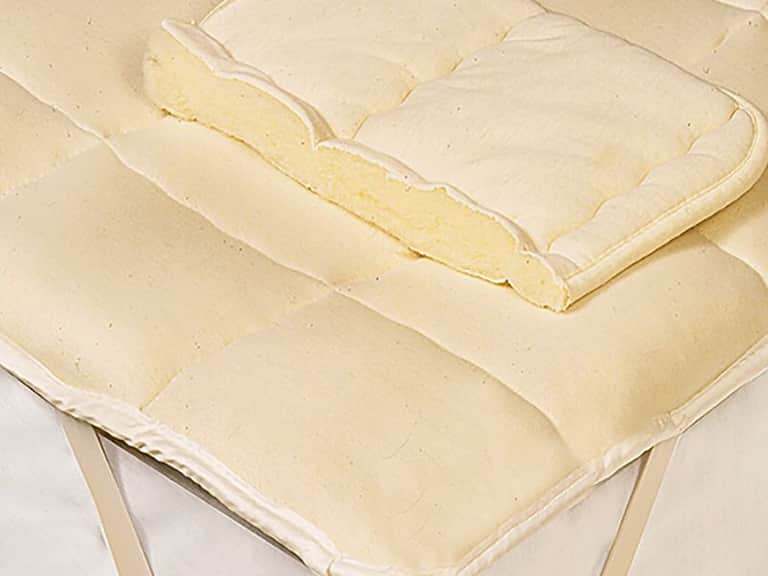
DownTown Company Wool-Filled Mattress Pad

DownTown Company · No. SP

DownTown Company Wool-Filled Mattress Pad

Experience cooler, drier sleep with plush Merino wool that cushions softly, wicks moisture, and adapts to you, while the cotton cover and secure elastic bands keep a smooth, secure fit night after night.

Theme