Mattress Construction · Organic Mattresses
Dunlop Latex in Organic Mattresses: A Guide to Feel and Construction
Dunlop latex is often associated with a dense, resilient feel. But the name alone cannot tell you how a mattress will feel in use. Layer thickness, firmness, arrangement, and the materials around the latex all shape the experience. Here’s how to read those details—and compare a construction with your own comfort and support needs.
Published November 15, 2026
The short answer: Dunlop is a process, not a comfort rating
When people describe a mattress as “Dunlop latex,” they are naming a type of latex foam made using the Dunlop process. They are not specifying one universal firmness, a particular mattress feel, or a complete construction. Two mattresses that both use Dunlop latex can respond quite differently because their layers may differ in firmness, thickness, and placement.
That distinction matters when shopping for an organic mattress. A material label can help you understand what is inside, but it is only one part of the decision. The practical questions are more specific: How thick is each layer? What firmness is it? Does it sit at the surface or deeper in the mattress? What supports it underneath? And how do the cover and any other components affect the finished bed?
The clearest comparison begins with the whole build, not with a claim that one latex process is automatically softer, firmer, or better than another. Look for a layer-by-layer description and relate it to how you sleep, how you prefer a mattress to feel, and whether you need a more configurable design.
What Dunlop latex is
Latex foam used in mattresses can be produced through different manufacturing processes. In the Dunlop process, a latex mixture is poured into a mold, then heated and cured to form foam. The resulting material is commonly used in mattress layers because it can combine resilience with a substantial, supportive feel.
“Latex,” however, does not automatically mean “100 percent natural,” and the word “Dunlop” does not by itself establish the source or composition of the latex. A product may contain natural latex, synthetic latex, or a blend. If the source matters to you, check the manufacturer’s full material statement and any relevant certification documents rather than relying on the process name or a broad marketing phrase.
It is also useful to separate three questions that are sometimes compressed into one:
- How was the foam made? Dunlop describes a manufacturing process.
- What is the foam made from? The composition should identify whether the latex is natural, synthetic, or blended.
- How is the mattress built? The full layer arrangement determines how that foam contributes to the mattress’s overall response.
Getting clear answers to all three makes it easier to compare natural latex mattresses without assuming that a familiar label tells the whole story.
How construction changes feel
A mattress works as a system. A surface layer influences initial cushioning and pressure relief; lower layers contribute to deeper support and help determine how the bed responds under the body. In a latex mattress, the feel of the finished surface depends on the interaction among those layers—not merely on whether the foam is Dunlop latex.
Layer thickness and placement
A thicker comfort layer can allow more initial cushioning before a sleeper encounters firmer material below. A thinner soft layer over a firm base may feel more buoyant or supported, even if both mattresses use similar latex. A firm layer near the surface can create a more immediate, solid response, while a softer layer above it may change the first impression.
These are useful ways to think about a design, not guarantees. Body weight, sleeping position, the shape of the sleeper’s shoulders and hips, and personal preference all affect how a given arrangement feels. Two people may describe the same mattress differently.
Firmness across layers
Some mattresses use a single latex layer; others combine multiple layers with different firmness levels. A layered build can make it possible to balance surface comfort and deeper support, and in some designs, layers can be rearranged or exchanged. A single firmness label on a product page may not communicate that flexibility, so check whether the listed rating refers to an individual layer, the assembled mattress, or both.
Ask how the manufacturer describes firmness and whether that description uses a consistent scale. Firmness terms such as soft, medium, and firm are not universal measurements. They are best treated as starting points for comparison rather than as a promise that two brands’ “medium” mattresses will feel alike.
Cover and other materials
The casing and any other mattress components are part of the construction too. A fabric cover can change the surface sensation, and a quilted or padded cover may add cushioning that is not apparent from a list of latex layers alone. If the mattress includes a separate topper, wool, or another material, find out how it is arranged and whether it can be removed or changed.
For an organic mattress, do not infer the entire product’s composition from the word “organic” in its name. Review material disclosures for the latex, cover, and other components. When a claim is tied to a certification, confirm what the certification covers: it may apply to a specific material or component rather than automatically certifying every part of the finished mattress.
Dunlop latex and the feel of an organic mattress
Dunlop latex is frequently described as resilient and supportive, but those words are not a substitute for construction details. A firm Dunlop layer near the top may give a different first impression from a soft Dunlop layer used as the upper comfort layer. The same latex process can appear in mattresses designed for different preferences.
Think about comfort in two stages. First, consider the surface: Does it provide enough cushioning for your shoulders and hips in your usual position? Then consider support: Does the mattress feel stable beneath you, without an uncomfortable sense of sinking or pressure? The right combination is individual. General claims about which firmness suits a sleep position can guide questions, but they cannot account for every body or preference.
Side sleepers often pay particular attention to pressure at the shoulder and hip, while back and stomach sleepers may focus more on how evenly the mattress supports the torso. Combination sleepers may want to consider how easily the surface responds as they change positions. These are useful starting points for evaluating a mattress—not rigid rules that dictate one correct firmness.
When possible, test a mattress in a position that resembles how you normally sleep, and allow enough time for a meaningful impression. If in-person testing is not practical, look carefully at the layer specifications, return or exchange terms, and the details of any comfort-adjustment program. A policy is useful only if you understand its time limits, fees, and conditions.
Reading certifications and material claims
Certifications can help clarify claims about a mattress, but they should be read precisely. Different programs assess different things, and a label is not a general-purpose guarantee of every attribute a shopper may care about. Check the organization’s current standards and the scope of the certification rather than assuming all certifications mean the same thing.
When evaluating an organic mattress, look for documentation that identifies the certified material, product, or component. If a listing says that the latex is certified, ask whether the certification applies to the latex itself or to a broader part of the mattress. If the casing or other materials are described separately, seek equivalent detail for those components when it matters to your decision.
It is also worth distinguishing certification from vague wording. Terms such as “natural,” “eco-friendly,” and “clean” can appear in marketing, but they do not all provide the same level of information. A useful product description should name materials, explain the layer arrangement, identify relevant certifications, and make it possible to see what each claim covers.
- Look for a specific description of latex composition, not just a general “latex” label.
- Check whether the certification is current and which material or finished product it covers.
- Read the full layer list, including the cover and any additional padding or barrier materials.
- Ask the manufacturer for clarification if the certification or material language is unclear.
Transparency is especially valuable when comparing mattresses with similar names or broad organic claims. The more directly a company describes what is inside, the more meaningful the comparison becomes.
A practical comparison checklist
Before comparing prices or choosing a firmness, assemble the details that explain how each mattress is made. A simple side-by-side checklist can keep attention on construction rather than on labels that may not be directly comparable.
- Identify the latex. Is it described as natural, synthetic, or a blend? Does the manufacturer provide clear material information?
- List every layer. Note the order from top to bottom, each layer’s thickness, and its stated firmness.
- Understand the surface. Is there a quilted cover, topper, or other layer that changes the feel above the latex?
- Check customization. Can layers be rearranged, exchanged, or configured differently on each side? What are the time limits and costs?
- Review the foundation requirements. Confirm what type of base is compatible and whether it must meet specific support requirements.
- Read the care and warranty terms. Understand cleaning guidance, warranty exclusions, and what counts as an eligible defect.
- Verify certification scope. Find out which materials or components are covered rather than relying on a certification name alone.
For example, a multi-layer latex mattress may specify several three-inch layers with selectable firmness levels, a certified organic cotton casing, and a wool fire barrier. That level of detail gives shoppers a clearer picture of the build than a headline that says only “natural latex.” It also makes the comparison more concrete: the shopper can consider the total thickness, the placement of softer and firmer layers, and what the certification applies to.
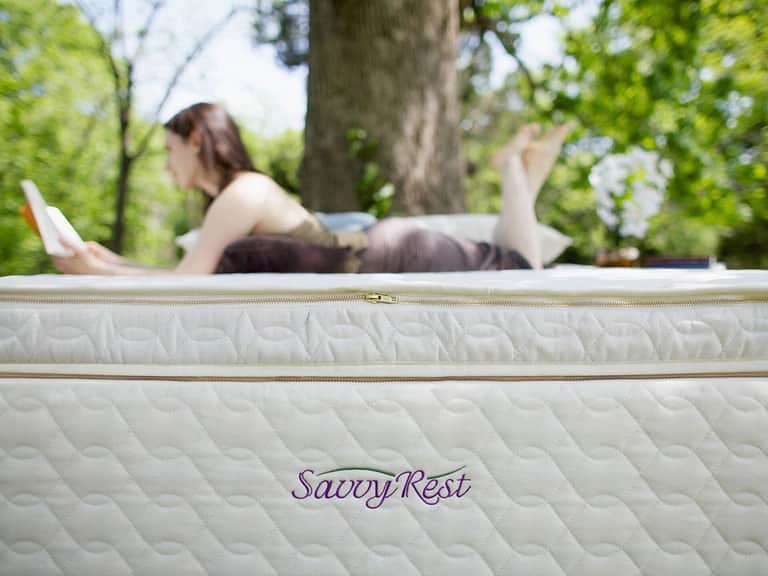
One available example is the Savvy Rest Unity Pillowtop Latex Mattress. Its product details describe four three-inch layers: three layers of Dunlop latex in the mattress and a separate Talalay latex topper, for a total height of 13 inches. The description also notes selectable firmness for layers, a certified organic cotton outer casing, and a wool flame barrier. Those specifications illustrate why the full layer arrangement matters: the mattress includes more than one latex process and a distinct top layer, so “Dunlop” alone would not describe its complete feel or construction. Product specifications and available options can change, so confirm current details directly before making a decision.
Questions worth asking before you choose
When a product page leaves a gap, a direct question can reveal whether the mattress is a good match. Useful questions include:
- What is the exact composition of the latex, and is it natural, synthetic, or blended?
- How thick is each layer, and what firmness is assigned to each one?
- Does the listed firmness describe the top layer or the assembled mattress?
- What materials are used in the cover and in any additional comfort or flame-barrier layers?
- What does each certification cover, and can the relevant documentation be reviewed?
- Can the mattress feel be adjusted after purchase, and what fees or conditions apply?
- What foundation is required, and what are the return, exchange, and warranty terms?
Clear answers should be specific enough to compare. If a response repeats a general comfort claim without identifying materials or construction, it may not resolve the question you are trying to answer.
Common assumptions to avoid
“Dunlop always feels firm.”
Not necessarily. The feel depends on the specific layer’s firmness and thickness, its position in the mattress, and the construction above and below it. The manufacturing process alone does not establish the finished feel.
“Organic tells me everything about the materials.”
It does not. A broad label may not tell you the composition of every component or the exact scope of a certification. Read the materials and certification details individually.
“A single firmness word makes products easy to compare.”
Firmness terms are not standardized across all brands. Use them alongside layer specifications, personal testing, and the company’s exchange policy.
“A latex mattress is a single uniform material.”
Many designs combine multiple layers, sometimes with different latex processes or other materials. A complete construction list is more informative than a broad category name.
The bottom line
Dunlop latex can be a substantial, resilient part of a mattress, but its name is not a shortcut to knowing whether a bed will feel right. Firmness, layer thickness, position, cover construction, and the materials used throughout the mattress all contribute to the result.
For a careful comparison, verify the latex composition, map the full layer arrangement, and check exactly what certifications cover. Then connect those facts to your own sleep position, comfort preferences, and support needs. The best decision is rarely made from one material label. It comes from understanding how the complete mattress is put together—and whether that construction is suited to you.
Frequently asked questions
Is Dunlop latex the same as natural latex?
No. Dunlop refers to a process used to make latex foam. It does not, by itself, specify whether the latex is natural, synthetic, or a blend. Check the product’s material disclosure.
Does Dunlop latex always feel firmer than other latex?
There is no reliable answer based on the process name alone. The individual layer’s firmness, thickness, placement, and the mattress’s other components all affect its feel. Compare complete constructions rather than relying on a simple process-to-firmness rule.
What should I look for in an organic latex mattress?
Look for a complete list of materials and layers, clear details about latex composition, and certifications whose scope is explained. Also review firmness options, foundation requirements, and the terms for returns or layer exchanges.
Can Dunlop latex suit different sleeping positions?
Potentially, but suitability depends on the particular mattress configuration and the sleeper’s preferences and needs. Consider surface pressure, support, and how the mattress feels in your usual position instead of choosing by material name alone.